I'll start with something I tell almost every new client: forget tattoo TV shows. No, a tattoo the size of an A4 sheet does not happen in 20 dramatic minutes while someone looks intensely at a wall.
"How long will it take?" is easily in my top five most asked questions. Right after "does it hurt?" and "how much does it cost?" And honestly, fair. Nobody wants to lie on a table for five hours without knowing why their afternoon has turned into a small endurance sport.
The real numbers
Most tattoo sessions last between 1 and 4 hours. Under 30 minutes, we are usually talking about micro tattoos: a tiny symbol, a date, a word. Past 5 hours, you are entering big-piece territory, or the strange little country of intensive sessions.
What changes the timing:
The size and complexity of the design - A simple little heart might take 20 minutes. A detailed mandala across the whole forearm can take 3 to 5 hours. A realistic black and grey portrait can easily mean 4 to 6 hours of actual tattooing.
The tattoo style - Dotwork is slow. Very slow. Each dot is placed by hand, without the fast rhythm of classic machine shading. For a medium-sized design, expect roughly twice the time of a clean linework piece. Lettering, on the other hand, can go pretty quickly. Realism takes ages because the artist is building shadows, gradients, textures, all the tiny stuff that makes a face not look like a haunted potato.
The placement on the body - Flat areas like forearms, calves, and backs are usually faster than curved or awkward zones like ribs, collarbones, or knees. Skin tension changes. Access is trickier. The artist has to work with the body's relief instead of pretending it is a sheet of paper. Sadly, humans are not sheets of paper. Bad design, if you ask me.
Your pain tolerance - This is the least predictable factor. Some people sit through 4 hours like they are waiting for a train. Others start hitting the wall after 45 minutes. When pain gets too intense, the body tenses up, the skin reacts worse, and the artist has to slow down or stop.
Why tattooers often limit sessions to 4 or 5 hours
After a certain point, quality starts to suffer. Not because the tattooer suddenly forgets the job. Usually, the tattooer is fine. The skin is the problem.
After 4 hours, the tattooed area can swell, redden, and become much more sensitive. The artist may need to work harder to get the ink in properly, which irritates the skin more and can make healing uglier than it needs to be.
That is why a large piece, like a half sleeve, a full back, or a leg project, often happens over several sessions. Not because the artist wants to stretch the bill like a Netflix series that should have been a film. Because splitting the work is usually the cleanest way to get a solid, long-lasting result.
Flash sessions and tattoo marathons
Micro tattoo (15-30 min): Great for a first tattoo. A small symbol, a date, a word. These can sometimes fit at the end of the day, between bigger projects, without needing to block half a century in the calendar.
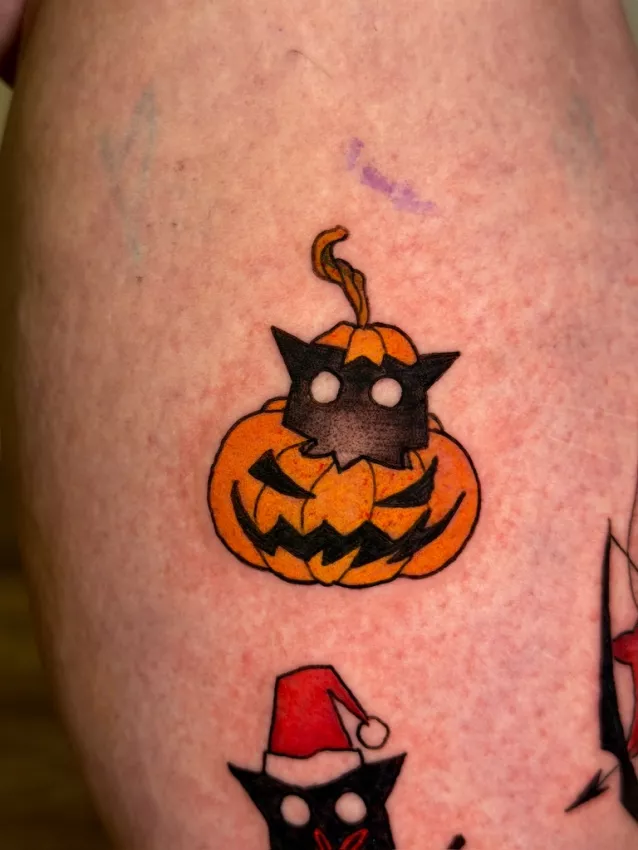
Small tattoo (30 min - 1h30): Around palm size. A good first “real” tattoo. Short enough to stay relaxed, long enough for the design to have some weight.
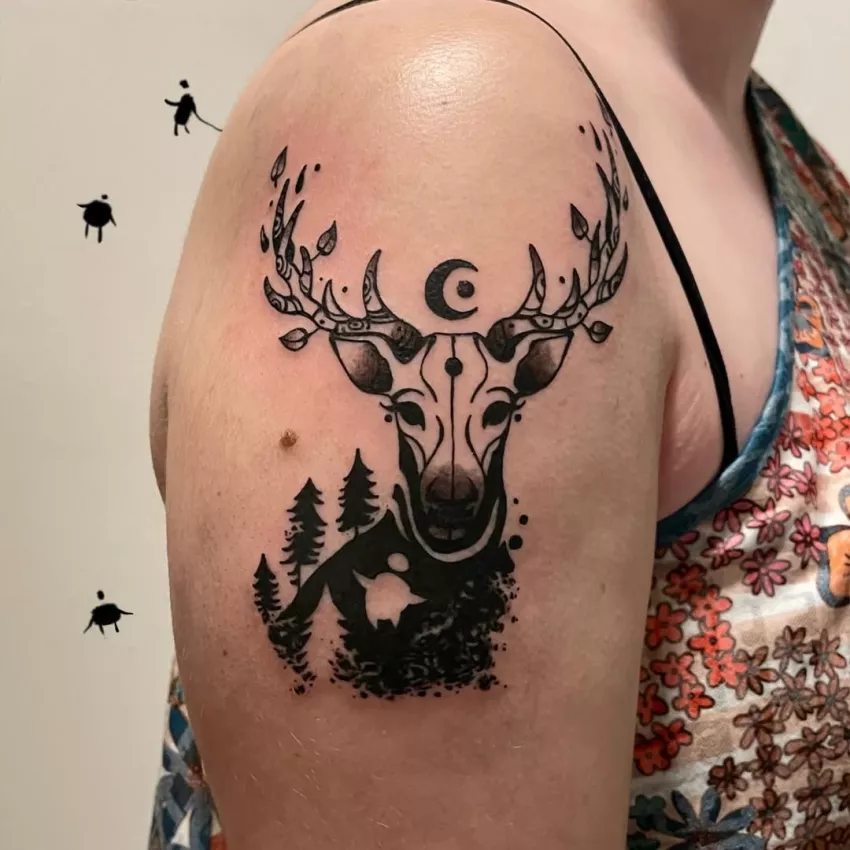
Medium tattoo (2h - 4h): Most projects live here. A forearm, a calf, a shoulder blade. Enough time for linework, shading, details, and the classic moment where you realize your phone battery is somehow more fragile than your pain tolerance.
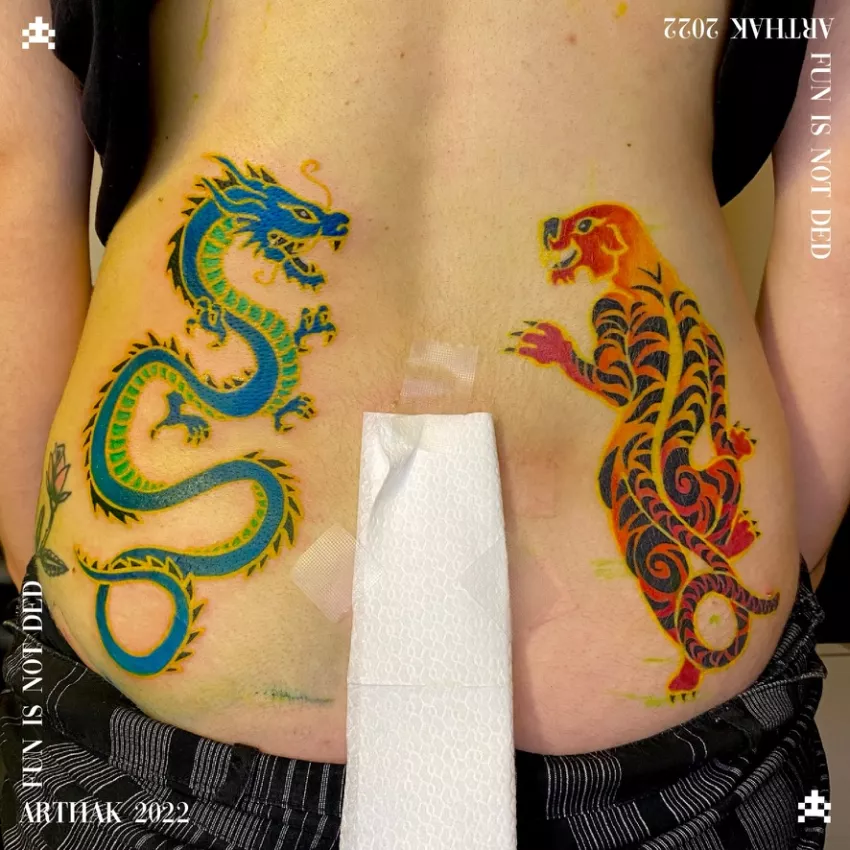
Large tattoo (4-5h sessions, sometimes 2 to 6 sessions): Now we are talking about heavier projects. Full sleeve, back piece, large thigh or torso tattoo. Each session has a purpose: outline, shading, color, finishing touches.
Why you should leave extra time
I always tell clients: plan for more time than you think. Double it in your head if you are the anxious planning type. Tattooing is not just “putting ink in skin.” There is also:
- Setup and disinfection (15-20 min)
- Stencil placement and adjustments (15-30 min)
- Bathroom breaks, position changes, small resets
- Finishing, cleaning, wrapping
If your tattooer says “3 hours,” keep 4 hours free in your day. If it goes faster, nice. If it runs long, you are not checking the clock every five minutes with the soul of a trapped office printer.
What changes with experience
A tattooer with 10 years in the job will usually be faster than a beginner. But maybe not in the way you imagine.
The experienced tattooer is not necessarily racing through the lines. They are faster at everything around the tattoo: preparation, machine settings, needle changes, breaks, skin management. The pure tattooing time can still be quite similar for the same design.
And an experienced tattooer knows when to stop. They know that pushing 6 straight hours on a sensitive area can turn healing into a sad little soup. Two 3-hour sessions are often smarter than one heroic 6-hour session nobody asked for.
Planning a tattoo? Send me the design and the placement if you want. I can give you a rough time estimate. After that, you can decide whether to do it in one session or split it up, especially if you are worried about falling asleep on the table. Which sounds peaceful, but is rarely as elegant as people imagine.
Sources
- American Academy of Dermatology — Tattoo procedure and duration
- BMJ — Tattoo complications and best practices
- Studio Pixel experience — 1500+ sessions done