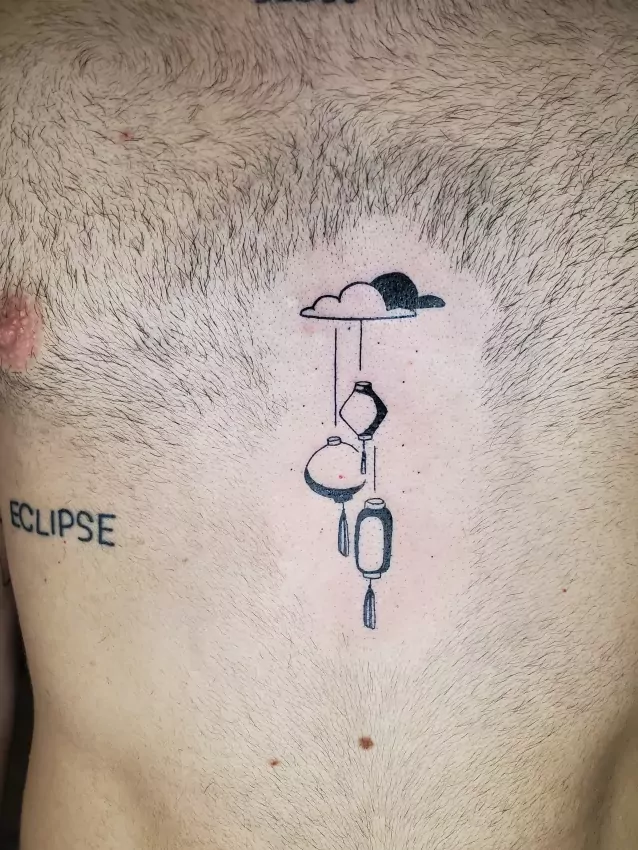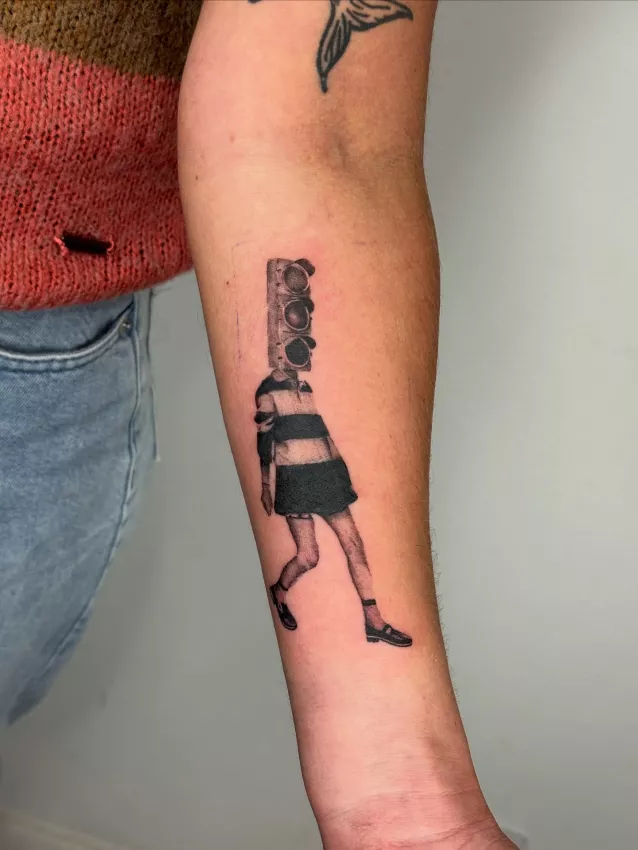
A client came in one December morning. He wanted a tattoo on his inner arm, right before a week in Les Deux Alpes. "That way, under the ski suit, nobody sees it, and it'll heal quietly during the week." I looked at him. Sighed. We revised his plans together.
Living in Grenoble, everyone knows someone who wants a tattoo right before ski vacation. It's a very Grenoble emergency, like galette des rois or tunnel traffic jams.
Sports and Healing: The Real Timeline
A tattoo is a wound. Not a big one, but a wound nonetheless. The needle goes through the epidermis and deposits pigment in the dermis. Your body reacts by sending immune cells, rebuilding tissue. During this phase, anything that increases blood flow or makes you sweat can disrupt the process.
The timeline for sports after a tattoo is simple:
- First 48 hours: nothing at all. Rest.
- Day 3 to day 10: light exercise without excessive sweating or friction on the area. Gentle yoga, walking, controlled stretching.
- Day 10 to day 21: moderate endurance sport possible, as long as you clean the area immediately after.
- After day 21: back to normal, once healing is complete.
For the mountains, that means: if you get tattooed on Friday, you're not skiing Saturday. Not Monday either. Not Wednesday either. Count a good two weeks before putting on hiking boots or skis.
Altitude and Tattoos: Myth or Truth?
I've heard plenty of takes along these lines.
- "Altitude dilates the ink and the tattoo will blur." Myth.
- "Lack of oxygen prevents healing." Partially true, but not significant below 3000 meters.
- "Cold preserves the ink." No. Cold slows blood circulation, which can slow healing, but it doesn't "improve" anything.
Reality: neither altitude nor cold has a direct effect on ink once it's in the dermis. Pigments are stable. The problem isn't altitude or snow. It's everything that goes with them.
The Real Risks in the Mountains
First: moisture. Snow melting in your clothes, sweat under layers, prolonged stops with a jacket stuck to your skin. A healing tattoo in a humid environment — perfect breeding ground for maceration and infection.
Second: friction. A jacket sleeve, a backpack, carrying straps. The tattooed area is fragile. Repeated friction can tear off scabs, shift pigments, or cause irritation.
Third: sun exposure — yes, in the mountains. Snow reflects up to 80% of UV rays. If your tattoo is on your face, hands, or the back of your neck, it's getting a UV bath even on cloudy days. And UV damages ink, even in winter.
Fourth: lack of access to care. If you have an issue (inflammation, infection, reaction) at a mountain hut at 2500 meters, you can't just pop into a pharmacy or see a derm. And a mountain guide's opinion on tattoo aftercare isn't a medical reference.
Skiing, Snowboarding, Hiking: How Many Days Off?
| Activity | Minimum wait | Risks |
|---|---|---|
| Resort skiing (normal day) | 14 days | Cold, sweat, suit friction |
| Off-piste / ski touring | 21 days | Same risks + intense effort + remoteness |
| Snowboarding | 14 days (21 if on butt/hip) | Frequent falls, pressure on area |
| Snowshoe hiking | 14 days | Friction + sweat |
| Technical hiking (crampons, ice axe) | 14-21 days | Harness/pack friction + remote |
| MTB / enduro | 21 days | Intense sweat + impacts |
These timelines are for you, not for me. A poorly healed tattoo from returning too early means lost ink, widened lines, faded color. And a touch-up isn't always possible.
How to Do It If You're a Mountain Addict
I love the mountains. That's why I live here. But the mountains can wait a week.
A few tips if you really want to tattoo and ski in the same month:
- Choose the placement carefully. Inner arm, calf, or thigh are less exposed to suit friction. The back, shoulders, and ribs are the most exposed to strap and harness friction.
- Get the tattoo early season (November-December) so it heals before the big February weeks.
- Use an occlusive healing bandage (second skin): it protects the area for 24-48 hours after the session and reduces friction risk. But it doesn't replace rest.
- Plan a week without mountains after the tattoo. It's an investment in your tattoo's quality.
The complete day-by-day healing guide covers everything. Boring to read, but saves ruining a tattoo.
Key Takeaways
- Altitude doesn't make ink blur
- Snow doesn't preserve pigments
- Moisture, friction, and UV are the real enemies
- Count 14 days before skiing, 21 for intense sports
- If you absolutely have to go up, choose placement carefully and protect the area
- The mountains will still be there next week. Your tattoo too — if you leave it alone.
I've been tattooing Grenoble locals for years. I know skiing is a religion here. But your tattoo only has one chance to heal well. The black diamond run — you can do it every winter.
Sources
- Sports Medicine Review — Skin healing and physical activity: recommendations
- French Alpine Club (CAF) — Cold and altitude: effects on skin
- Armed Forces Biomedical Research Institute — Altitude and healing
- Sports and tattoos — 2022 survey by SNAT (French Tattoo Artists Union)