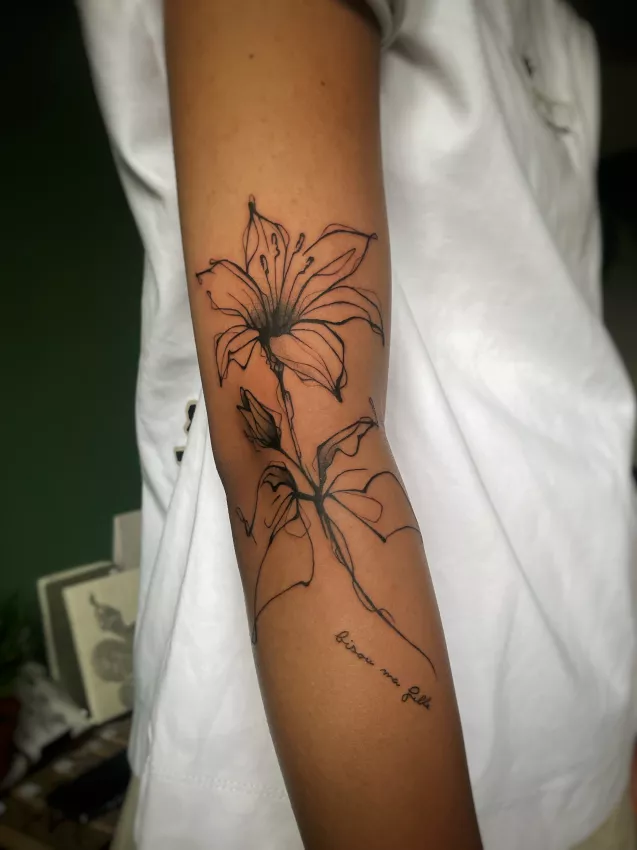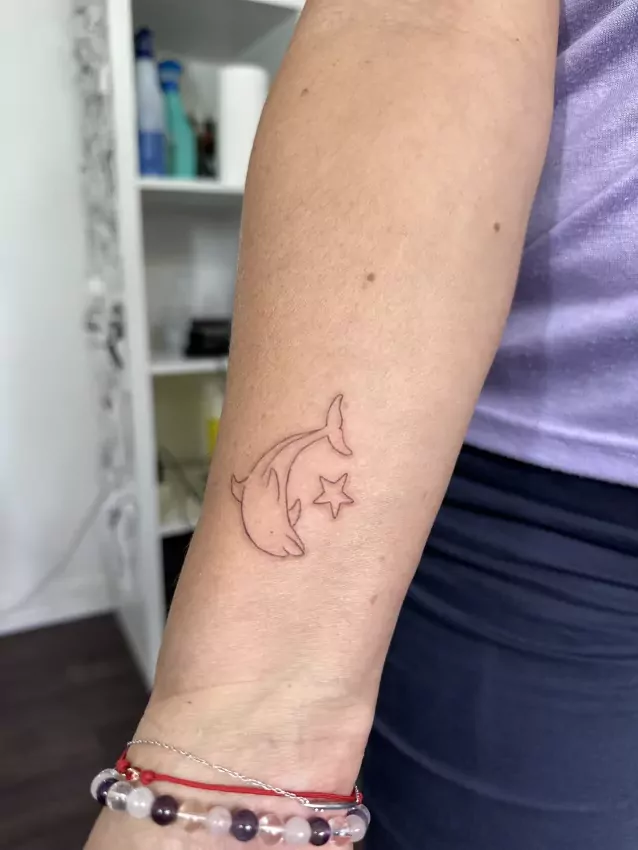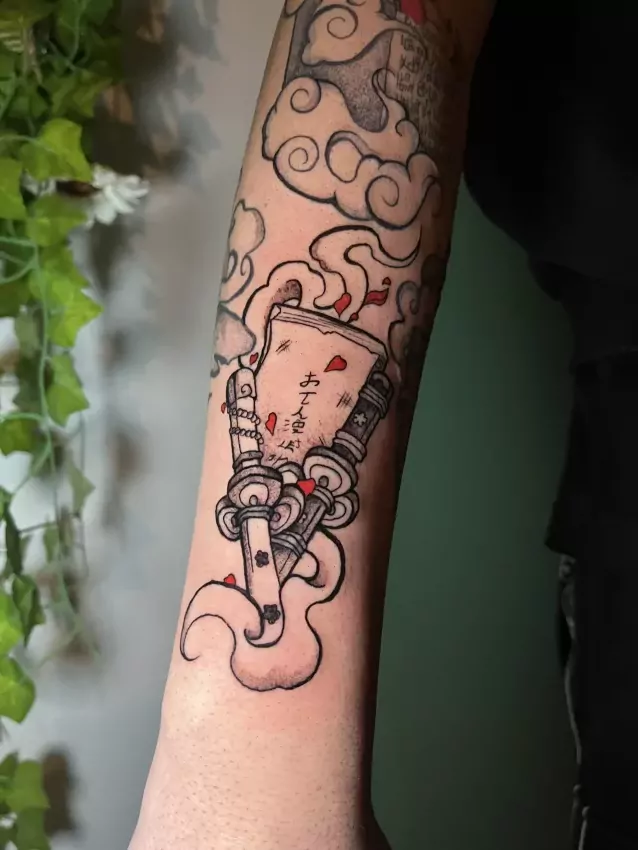
Tattooing used to be this underground thing. Marginal. For the initiated few. Then it went mainstream — hard. And with that popularity came a romanticised image of the tattoo artist: a creative soul living off their passion, spending days drawing custom designs in an atmosphere of total artistic freedom.
Reality check.
Behind that glossy picture is a profession way more complex, messy, and nuanced than most people realise. This article cuts through the clichés with real talk straight from the artists themselves. Here are five things about tattooing that might change how you see the whole thing.
1. More Admin Than Art
Bet you thought tattoo artists spend most of their time tattooing. Nope.
Creative talent? Essential. But nowhere near enough. Being a tattoo artist is basically a "multi-job package" that demands iron discipline. Most of the time goes into invisible grind: constant client DMs, social media to stay visible, bookkeeping, gear prep, scheduling.
Being a tattoo artist is 20% tattooing and 80% paperwork, answering messages, booking appointments, etc.
The mental load is real. Before being a needle wizard, a tattoo artist is a small business owner. Versatility is the name of the game — way beyond just knowing how to handle a machine.
2. The Pricing Nightmare
One of the hardest parts? Setting a price. There's no official rate card in this industry. No benchmark. Nothing. Every artist has to figure it out on their own — and it's stressful as hell.
Factors to juggle: drawing time, tattooing time, design complexity, material costs, URSSAF fees (French self-employed taxes), plus your own reputation.
Pricing is horrible. I hate it.
No standardisation means constant uncertainty. Every artist is forever second-guessing the value of their own work. And competition doesn't help — some undercut their prices, which everyone sees as unfair and destabilising for the whole profession.
So to answer the question everyone asks: our needle-to-skin starting price is 90€.
And since everyone wants to know, we break down our prices here!
3. Tattoo Session = Therapy Session
Tattooing often goes way beyond a simple service. It's an intimate, vulnerable experience for the client. And the artist ends up playing this almost therapeutic role — the confidant who hears personal stories, insecurities, even trauma that people want to mark, cover, or overcome through a design on their skin.
Sometimes we cry together. When that happens it wrecks me. I think about it for days.
That side of the job hits hard. Tattooing becomes a ritual — reclaiming your body, celebrating a life moment, working through something. The artist isn't just a technician anymore. They're a witness and a guide through that personal transformation.
4. Solo or Studio?
The old cliché of the lone wolf artist guarding their secrets behind closed doors? Getting more outdated by the day.
The tattoo world — especially the new generation — runs on solidarity. Far from rivalry, artists share experiences and have each other's backs. At Studio Pixel, about ten artists work together under one roof. The whole point is to build shared knowledge.
We lift each other up. Someone always has your back when you need an answer or a hand.
Whether it's in the same studio or through wider networks, this crew mentality is essential. It helps deal with the instability of being self-employed, and it pushes the whole practice — norms, standards, public image — forward together.
5. Keeping Your Tattoos After You Die
This is probably the wildest one.
Yes, you can keep your body art after death. Specialised companies like "Save My Ink Forever" offer post-mortem preservation. The process: surgically remove the tattooed skin, treat it for preservation, frame it, and return it to the family. Important note: this is done by a US company and is illegal in France due to post-mortem body integrity laws.
That said, the concept isn't new. Tokyo's Pathology Museum holds a collection of about a hundred tattooed skin pieces from yakuza members. Tattooing becomes a tangible memory — art that literally outlives its owner. Makes you think about bodies, art, memory, and what we leave behind.
Conclusion
Way more than just drawing on skin, being a tattoo artist is an entrepreneurial adventure, a dive into human intimacy, and a surprisingly tight-knit creative ecosystem. Far from the clichés, the tattoo world reveals a depth and richness most people never see.
Next time you look at a tattoo — or think about getting one — will you see it the same way?