A walk-in is the fantasy of spontaneous tattooing. You walk past a studio, you go in, you pick a design, you walk out with a tattoo. Indie movie version, late afternoon light, life decision made between two coffees.
In real life, it's sometimes great. And sometimes a bad idea with shoes on.
Walk-in tattooing in Grenoble can work for simple projects, certain flash designs, when availability is there. But it's not for everything. A spontaneous tattoo is still a permanent tattoo. Yes, obvious sentence. But given some messages received at 11:48 PM, it deserves to exist.
What is a walk-in exactly?
A walk-in tattoo is done without a long pre-booked appointment. You come to the studio, or you take advantage of a dedicated day, and the tattoo happens if a slot is available and the project is suitable.
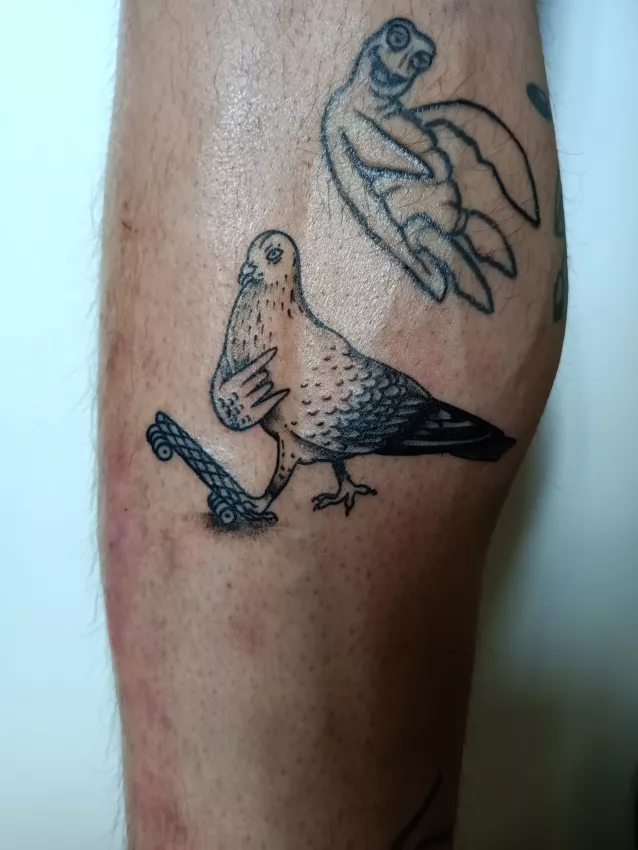
Generally, walk-ins are for small designs, flash, simple symbols, short lettering, sometimes mini compositions. Not a full back piece, not a realistic portrait of your dog, not a floral sleeve with eight references.
The principle is based on availability and feasibility. It's not an automatic right to be tattooed within the hour.
A serious studio can refuse a walk-in. Not out of snobbery. Because the project needs more preparation, or because the area, size, idea, or your state at the moment isn't suitable.
When a walk-in is a good idea
A walk-in can be perfect if you want an available flash, a clear small design, a simple idea already suited for tattooing, or a piece without heavy customization.
You spotted a small drawing. You know where you want it. You're open to size advice. You have time. You're not rushing for a train in 27 minutes. Great.
It's also a good option if you want to mark a moment without building a project over six months. A trip to Grenoble. A personal decision. An aesthetic desire. A small design you like. Not all tattoos need a psychological file.
But even for a walk-in, keep a little lucidity. Eat beforehand. Don't come drunk. Plan payment. Listen to advice. Accept being told no or not today.
If it's your first tattoo, read first tattoo in Grenoble before playing total spontaneity.
When a walk-in is a bad idea
A walk-in becomes a bad idea when the project requires drawing, reflection, or heavy emotional weight.
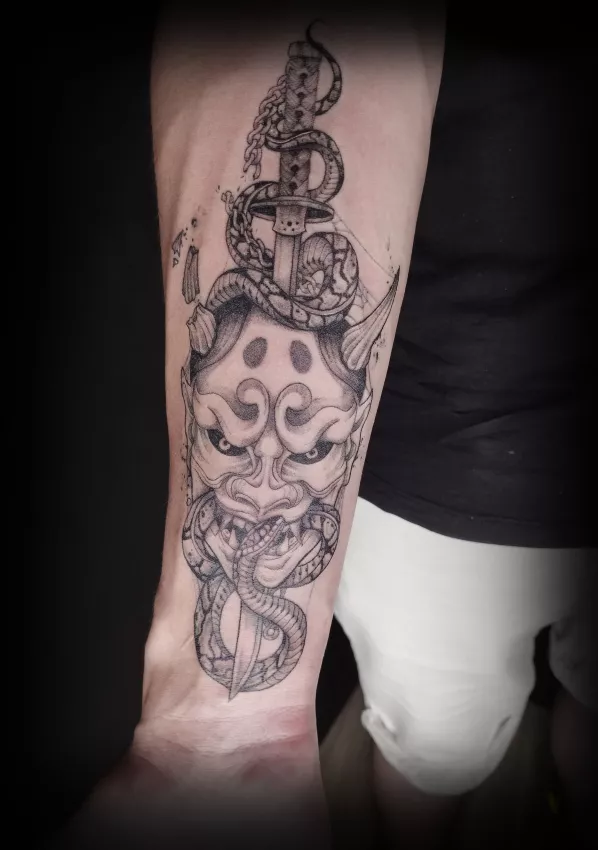
A family tribute. A portrait. A custom floral composition. A cover-up. A large piece. Long lettering. A complicated area. A very specific request with multiple references. All of this deserves an appointment, an exchange, sometimes test drawings.
Bad idea too if you come under pressure. A bet. A breakup from yesterday. A group of overexcited friends. A desire to "do something crazy." Impulsive tattoos can be beautiful, but impulse isn't always a reliable compass. Sometimes it's just your brain asking for an activity.
A good studio should know how to slow things down. Even if you're motivated. Especially if you're too motivated.
For custom projects, start with communicating your project to a tattoo artist.
Flash designs are the best candidates
Flash tattoos are probably the most suitable format for walk-ins. The design already exists. The style is clear. The artist knows how to execute it. It mostly comes down to validating size, placement, and slot.
During a flash day or a one-off availability, you can choose from proposed designs. It's simple, direct, and often very enjoyable.
But again, flash isn't an infinite negotiation base. If you want to change half the drawing, add a name, rotate the design, replace the snake with a flower and "add something more spiritual," it's no longer a simple walk-in. It's a custom project wearing a fake mustache.
To understand how it works, rely on studio info at announcement time. An available flash isn't a promise of instant miracle with a pre-heated machine.
Size, placement, pain: even spontaneous, it matters
A walk-in doesn't suspend the laws of tattooing.
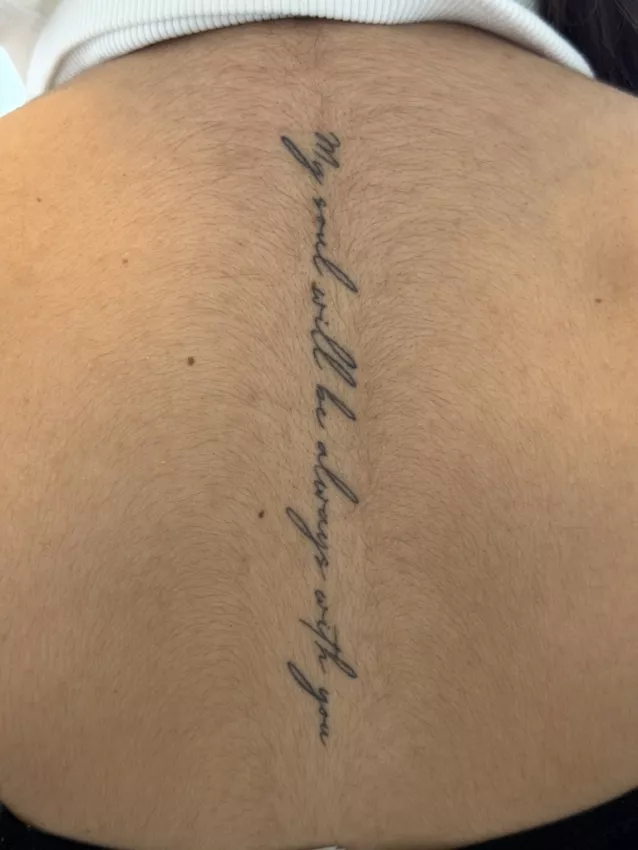
A small area can be painful. A design that's too fine can age poorly. An exposed placement may need more aftercare. Tiny lettering can become illegible. An area that moves a lot can complicate healing.
Even for a small tattoo, the artist needs to check if your idea works technically. Sometimes it'll need to be bigger. Sometimes simpler. Sometimes a different placement.
That's often where people are surprised. They thought they were coming in for "a quick little thing." And they're told about aging, placement, readability. Less rock'n'roll vibe. Better result.
The article minimalist tattoo: small doesn't mean simple explains well why small projects require just as much precision.
Price and availability: don't come with a blurry idea of the framework
For a walk-in, the price can be set per flash or estimated on the spot based on the design. But you need to accept that a minimum charge exists.
Even a small tattoo requires full setup, equipment, hygiene, time, advice. "It's just a line" doesn't make the needle free or the station magic.
Availability depends on the schedule. A studio may accept walk-ins on certain days, or only when a slot frees up. Best to check announcements, stories, hours, or conditions before showing up with all your determination.
For the budget topic, read tattoo pricing: why it varies.
Walk-in at Studio Pixel: guided spontaneity
At Studio Pixel, we prefer clean spontaneity to wobbly improvisation. That means: yes to feasible small projects, flash, clear desires, available slots. No to projects that are too complex, too vague, too rushed, or technically unsound.
It's not to kill the vibe. It's because a badly done spontaneous tattoo stays bad for a long time.
A walk-in can be a great experience when everything aligns: simple design, good placement, good timing, clear mind, available studio. It can even produce very endearing tattoos, precisely because they weren't overthought for months.
But a good walk-in isn't "let me do anything right now." It's "I choose something feasible, in a serious framework, at the right moment."
Spontaneity, yes. Chaos, no.