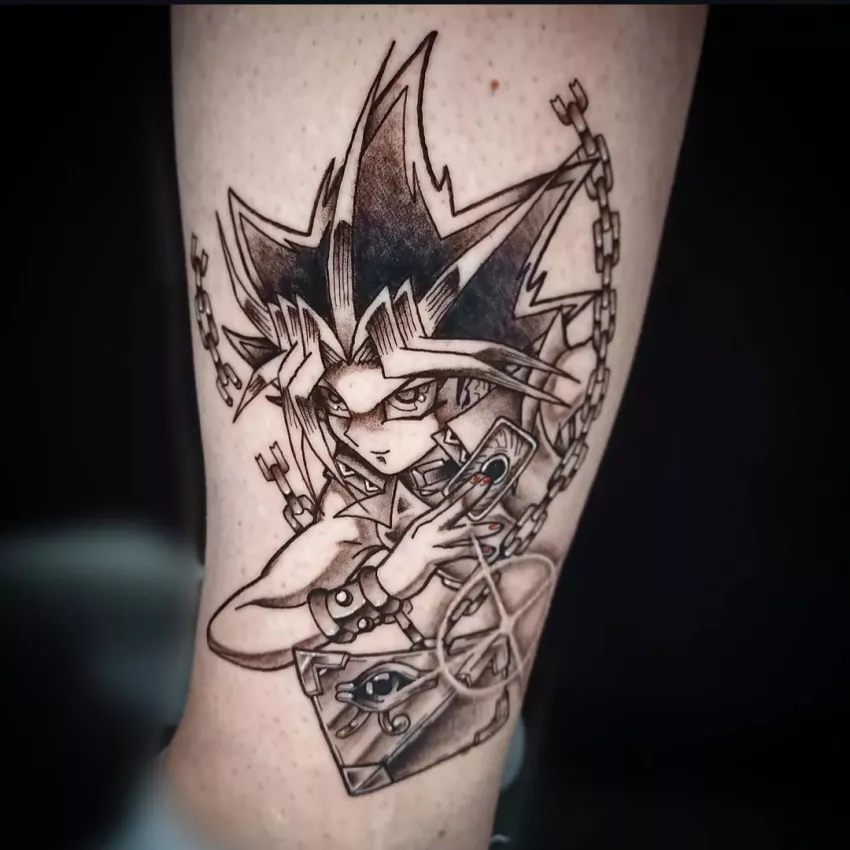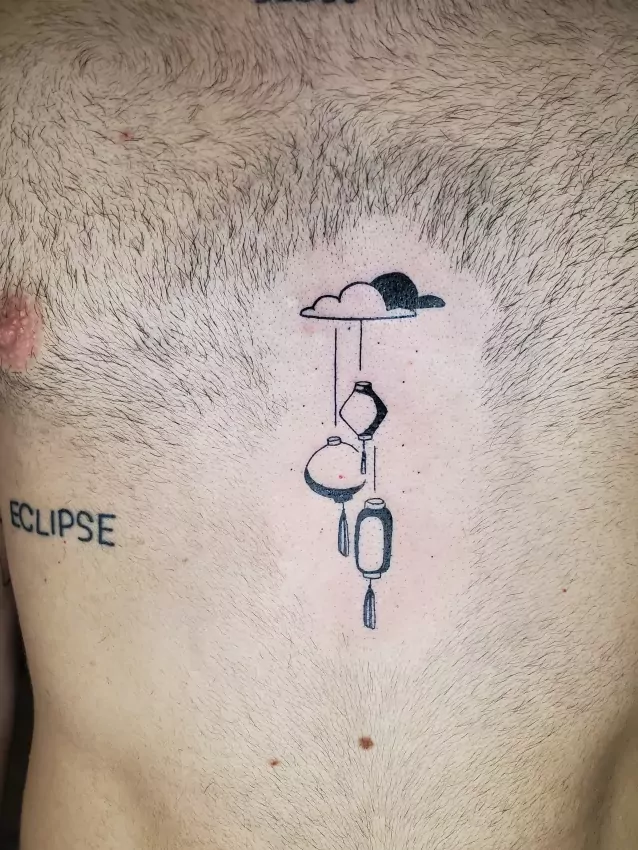
Yesterday a client walks in with three dragon photos, an abstract watercolor, and a screenshot of a 90s flash design. He tells me: "I want something in this style, but not the same." I look at the images, I look at his arm, I look at the images again. We can all agree there's a bit of a gap between tribal dragon, watercolor, and flash — right?
I asked him five questions. Five. And in five minutes, we had a clear project.
Because working on a tattoo project isn't like ordering a pizza. You can't say "I want something cool" and hope it lands right. The more prepared you show up, the more your artist can give their best — and the more you walk away with something you'll love for a long time.
Here's how to lay things out without the headache.
Start with an Intention, Not an Image
Most people walk in with images. That's normal, we think visually. But the problem is you end up with an Instagram mashup that says nothing.
Before hunting for photos, ask yourself: what do I want to feel when I see this tattoo? Strength? A memory? Just the aesthetic pleasure?
If you scratch a little, you often find an intention more personal than "it's pretty." And that intention is the fuel of the project. Your artist can grab it and suggest directions you wouldn't have thought of on your own.
Separate Reference from Style
A mistake I see all the time: taking a photo of an existing tattoo and saying "I want this."
OK but — do you want the exact design or do you want the same style on your own design? Because if you want a copy of someone else's tattoo, that's tricky. Any self-respecting artist won't reproduce a colleague's work identically. That's plagiarism, and it's not cool to the original artist.
But if you show three or four tattoos and say "I love this fine line, these soft shadows, this airy composition" — now we're talking. Now the artist gets your visual universe and can create something original for you.
Quick tip: put the images in a folder, and next to each one, note ONE thing you like about it. You'll see patterns emerge.
Talk About Available Space (and the Future)
We've all dreamed of a massive tattoo on a tiny space.
I get people who want a hyper-detailed portrait on their forearm, but the forearm moves, sees the sun, and details tend to blur over time. Or someone who wants a crazy long text where there isn't even room for three letters.
Be honest about the area you're offering and your history. If you're building muscle, losing weight, or the area sees sun every day — say so. These aren't details. They determine whether your tattoo still looks good in ten years.
I talk about this more in the article on choosing your first tattoo design without panicking.
Bring References, But Not Too Many
The sweet spot is three to five visuals. A mood board of fifty images is counterproductive. You drown the signal. The artist won't know what really matters to you.
So sharpen it. Make a shortlist. One where you unhesitatingly drop the "meh" images and only keep the "hell yes" ones.
Accept the Interpretation Part
A tattoo is a collaboration. You set the direction, the artist brings their touch.
If you walk in with a super finished drawing done by an illustrator friend, the artist will need to adapt it to skin, to their technique, to how it'll hold over time. That's not rejecting your idea — it's turning it into something viable.
I had a client who absolutely wanted to keep a tiny detail I warned would disappear. I suggested making it slightly bigger, integrated into the line. He agreed. Five years later, his tattoo is still readable. Sometimes you need to let go of the small thing to save the big one.
Ask Questions Before, Not During
No such thing as a stupid question.
"Will it hurt?" (yes, but less than you fear). "Can I bring someone?" (depends on the studio). "Should I eat beforehand?" (definitely yes, don't faint on us). "How many sessions?" (depends on size, colors, your skin).
I recommend checking the studio FAQ before coming in. Answers to a lot of practical questions are there. You'll save time on the day and stress less.
The Checklist Before Sending a Message
If you want to write to me about a project, save time by including:
- [ ] The general idea in one sentence
- [ ] The target area
- [ ] The approximate size
- [ ] Three max images showing the vibe
- [ ] Any constraints (scar, allergy, trip)
- [ ] Your budget if you have an idea
With that, I can reply in one message instead of exhausting ping-pong.
It's a Conversation, Really
We idealize the client-artist relationship too much. We think the artist will guess what we want. That's not how it works. The best tattoo you'll ever wear is the one you talked about, where you dared to say "I don't like that," where you asked questions, where you changed your mind along the way.
Communication is 50% of the result. The rest is ink and needles.
And next time you see a tattoo you think is gorgeous, ask yourself: did that person talk well with their artist before getting inked? Bet they did.