Someone once asked me: "Do you think for this tattoo I should go see a woman instead?"
The question was sincere. Not weird. Not aggressive. Just genuine hesitation.
They wanted to get tattooed on an intimate area, were afraid of being uncomfortable, and didn't know if the artist's gender should be a criterion. It's a more common question than you'd think, even if it sometimes comes out as a whisper, like confessing an administrative crime.
So, male or female tattoo artist: does it matter?
Yes. No. It depends. Sorry, that's your tattooed Norman answer.
Style Matters More Than Gender
First criterion: the work.
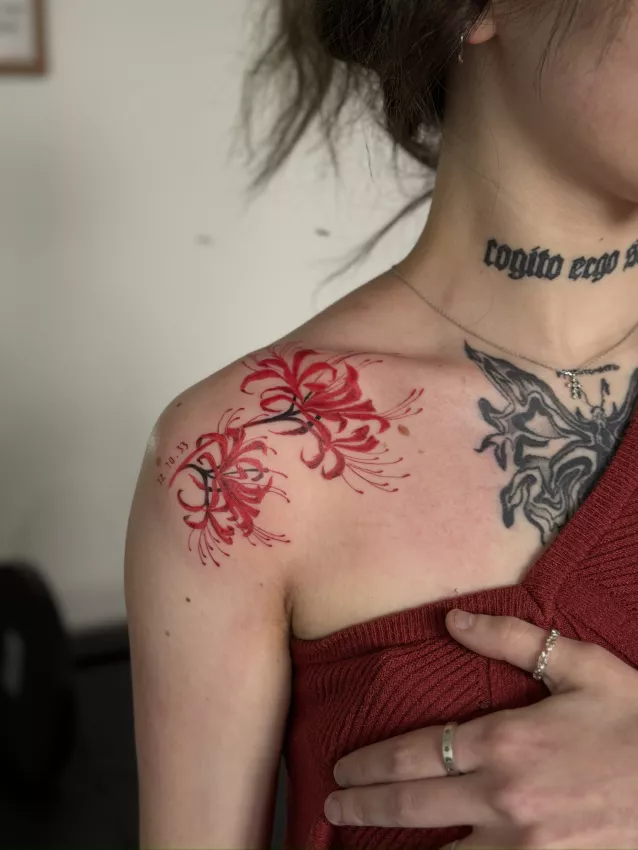
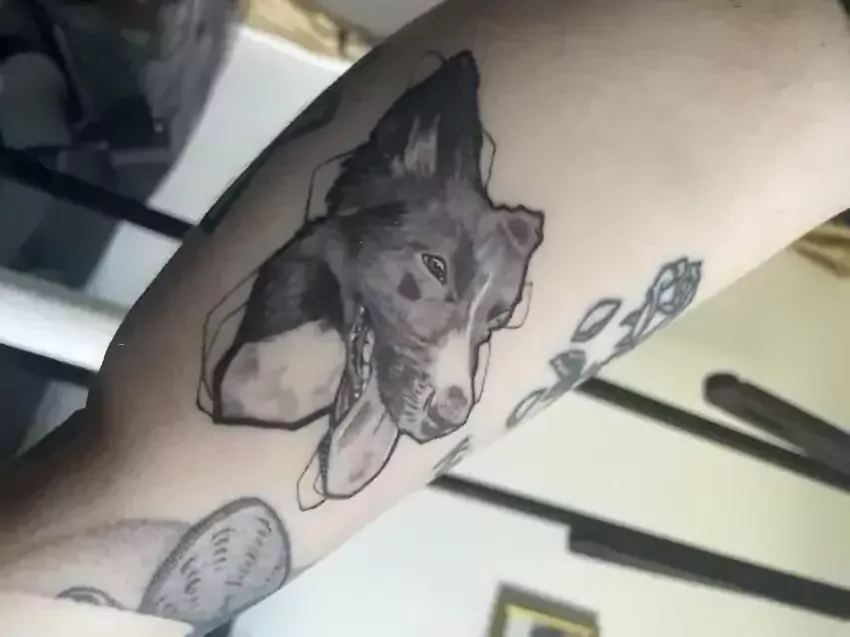
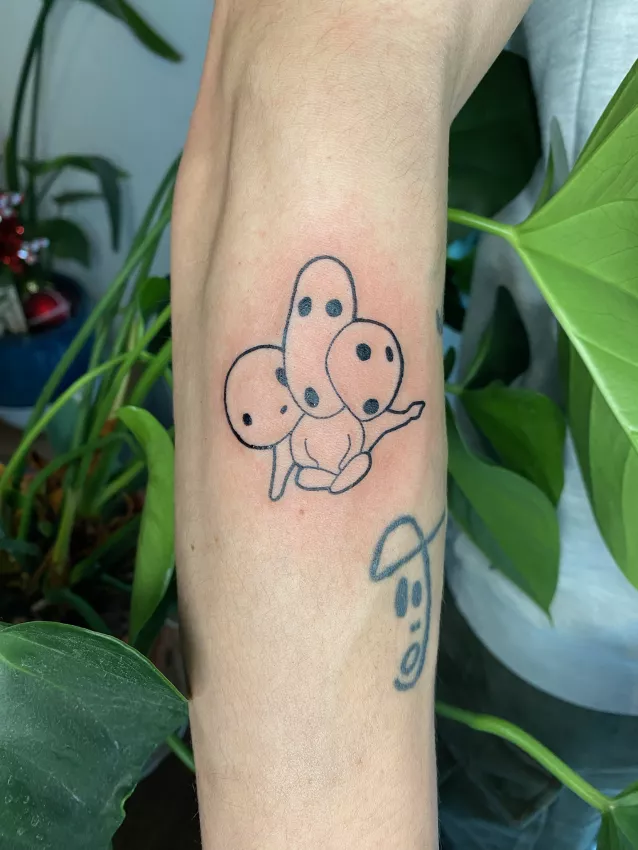
The portfolio. The lines. The compositions. The healed results if visible. The type of project. The universe. The ability to do what you want, or to propose better than what you imagined.
A male tattoo artist doesn't necessarily draw "masculine." A female artist doesn't necessarily do fine, floral, soft. These clichés are exhausting. They have the subtlety of an Ikea shelf assembled backwards.
Look at the style, not the gender.
If you want a graphic black project, go to someone who masters that. If you want fine floral, same thing. If you want an illustrative piece, look at artists who do that well. The right choice starts from the work.
I talk about this in how to choose your tattoo artist. Because in the end, you're not wearing the person's gender. You're wearing their drawing, their technique, their way of thinking about tattooing.
Personal Comfort Is a Real Criterion
But saying gender never matters would be wrong.
For certain body parts, some people feel more comfortable with a woman. Others don't care. Others prefer a man. Others just want someone gentle, respectful, clear — regardless of gender.
Your comfort matters.
If you have to be shirtless, in underwear, or in a vulnerable position, you need to feel safe. Not necessarily relaxed like in a spa — there's still a needle in your skin — but at least respected.
A good tattoo artist should explain, ask, protect your privacy, not make inappropriate remarks, not make things weird. That should be obvious. Like "don't lick electrical outlets." And yet sometimes it needs to be said.
If you have a concern, say it beforehand. A serious studio will answer you simply.
Listening Changes Everything
More than gender, the quality of listening makes the difference.
Does the person answer clearly? Do they understand your request? Do they explain limitations? Can they say no without making you feel small? Do they take your stress, placement, and story seriously?
Tattooing isn't just technical. There's a short but intense relationship. You're entrusting part of your body to someone. That's not nothing.
The feeling matters as much as the portfolio, sometimes even more for certain projects. I wrote an article about trust with your tattoo artist, because a studio isn't just pretty pictures. It's also the atmosphere, the communication, the way boundaries are held.
An artist can be technically excellent and not be a good fit for you personally. That doesn't mean they're bad. Just not for you.
And that's ok.
Watch Out for Shortcuts
"I want a woman because she'll be gentler." "I want a man because he'll be more technical." "I want a female artist for a feminine project." "I want a male artist for a big project."
These sentences smell a bit dusty.
Gentleness, technique, precision, compositional strength, listening, professionalism — none of it is distributed by gender at birth like Pokémon cards.
There are female artists absolutely crushing big pieces. Male artists who are very delicate. Very direct women. Very reassuring men. Non-binary people who blow the categories apart with elegance. The world is more interesting than our old drawers.
Look at facts. The work. The communication. The reviews if useful. The studio atmosphere. The clarity of the rules.
For an Intimate Area, Ask About the Setting
If your tattoo involves an intimate or very personal area, the right question isn't just "male or female?"
It's also: how is the appointment set up?
Is the area isolated? Are you left to change in peace? Is what doesn't need to be exposed covered? Are the steps explained beforehand? Is a companion allowed or not? Can you set your boundaries?
A private studio can help with this. Less traffic, more calm, more control. I talk about this in what makes a tattoo shop safe, because safety isn't just sterile needles. It's also the human framework.
If you feel discomfort from the first exchanges, listen to it. You don't need a legal case. Your unease is information.
Choose the Person You Can Be Clear With
In the end, the right tattoo artist is someone whose work you love and with whom you can speak honestly.
You can say: "I'm a bit stressed." "This area makes me uncomfortable." "I need things explained." "I'd rather avoid that position." "I want to understand how it's going to go."
The answer to these sentences will tell you a lot.
Gender can be part of your comfort. Don't deny it. But it shouldn't replace everything else.
Choosing a tattoo artist is choosing a skill, a style, a setting, a communication style, an energy. Not just a male/female checkbox.
And if you're hesitating, say so. Often a simple conversation resolves more than ten assumptions in your head at 11 PM, lit by your phone, zooming on portfolios like a tired detective.
What matters is that you feel respected.
The rest, honestly, should come after.