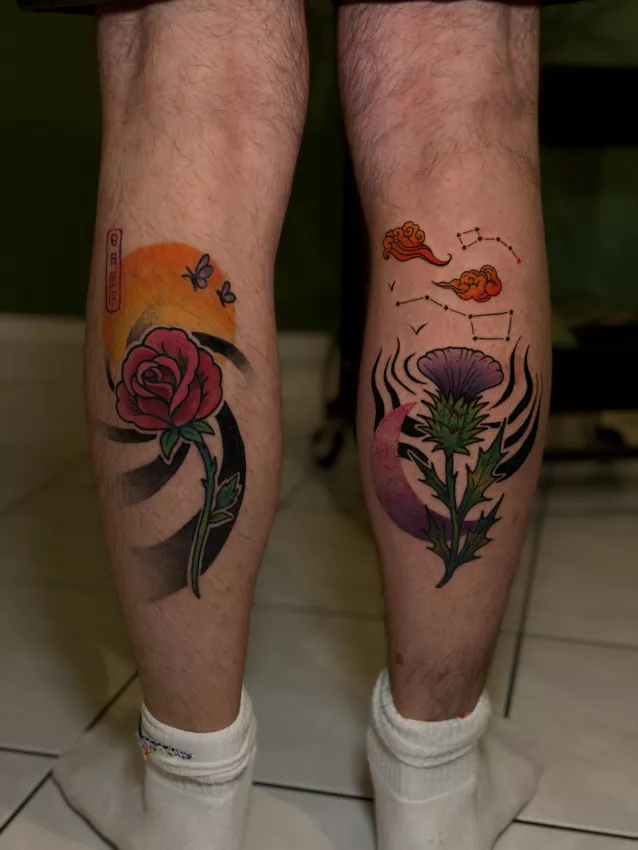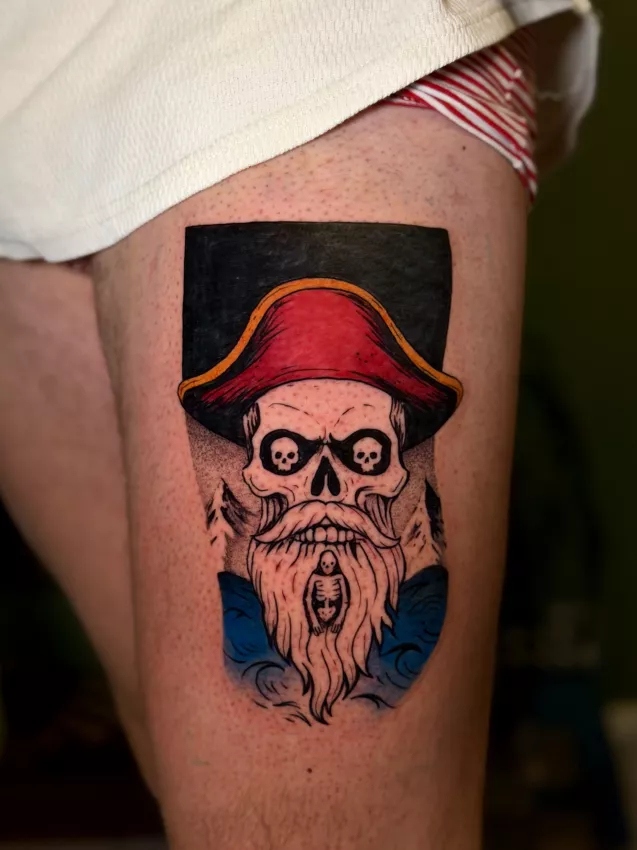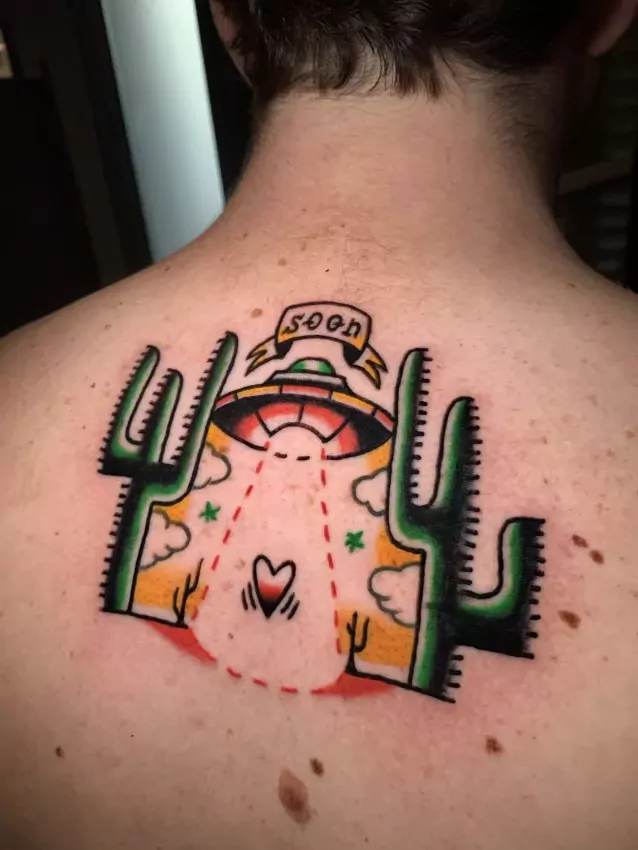
A few years ago, a client came in with a very precise request: a tattoo on his forearm, but one he could hide under a shirt. He worked in sales for an insurance company. "I love long sleeves, Arthak," he told me, laughing.
I have heard that sentence dozens of times. From developers, lawyers, teachers, physios. Different jobs, same quiet little fear: "Is my tattoo going to close doors for me?"
So let's talk about it properly. Because the answer has changed. Not completely. But enough that we can stop panicking for no reason.
Tattoo Law: What the Rules Say
In France, labor law is pretty clear: nobody can discriminate against you because of your physical appearance. Unless the employer can prove that it is essential for the job.
In real life, what does that mean? It means an employer cannot fire a sales rep just because he has a dragon on his neck. But they can choose not to hire him and give another reason. The law protects you on paper. In practice, recruiters still have biases. Weirdly enough, humans remain human. Annoying species.
Recent case law is moving in the right direction. In 2023, the Cour de cassation reminded employers that appearance is not grounds for dismissal, unless it interferes with the actual work. And since tattoos are now common, with around one in five people in France tattooed, attitudes are shifting.
Sectors Where It Usually Goes Fine
Tech, digital, creative work — Almost no issue. You meet more tattooed developers than developers in suits. The suit is the exotic animal now.
Crafts and manual trades — Same thing. Tattooed or not, if the work is done properly, nobody really cares.
Healthcare jobs — A bit more complicated. There is not always a written rule, but long-sleeved uniforms solve a lot of it. Plenty of nurses and care workers have tattoos, and it rarely causes a problem as long as the tattoo is not provocative.
Teaching — It depends on the school. Primary schools can be stricter than universities. But honestly, students usually care about it for about eight seconds. Then they go back to losing their pencil case.
Sectors Where It Can Still Be Tense
Banking, insurance, consulting — Traditional clients can still come with traditional expectations. Not always. But a visible tattoo on the hand or neck can still work against you in an interview. Once you are hired, it often gets easier.
High-end hotels and restaurants — Same story. Luxury spaces and visible tattoos sometimes still have little arguments in the corridor.
Public service, police, army, courts — Here, rules can be stricter. Some branches have specific policies about visible tattoos. You need to check the rules for your exact administration.
The Big Question: Visible or Not?
In 2025, the real shift is this: visibility has become a choice, not a total constraint.
More and more employers do not care. The job market is tight, skills matter more than patterns on skin. Clients have changed too. A tattooed tattoo artist? Expected. A tattooed banker? Less shocking than ten years ago.
If you work in a classic sector with classic clients, the simple rule still works: think about coverage. For the interview, long sleeves. Later, once people know you can do the job, attitudes usually soften.
What I Tell My Clients
Before tattooing a visible area, like hands, neck, or face, I ask two questions:
— Does your job let you own it?
— Are you ready to deal with the looks?
Not to discourage anyone. Just to make sure the choice is conscious. A tattoo is for life. Work changes. If you switch careers in five years, the tattoo stays. It does not resign with you. Shame, really. Would be practical.
And if you need reassurance: I know lawyers tattooed down to the wrists, surgeons with sleeves, maths teachers with decorated necks. They exist. More often than people admit. And, most importantly, nobody asked them to walk backward into an imaginary version of themselves.
What do you do for work? Are you asking yourself the visible tattoo question, or have you already jumped in?
Sources
- Cour de cassation — Appearance and discrimination at work
- Défenseur des droits — Discrimination linked to appearance
- IFOP 2024 — French people and tattoos in the workplace