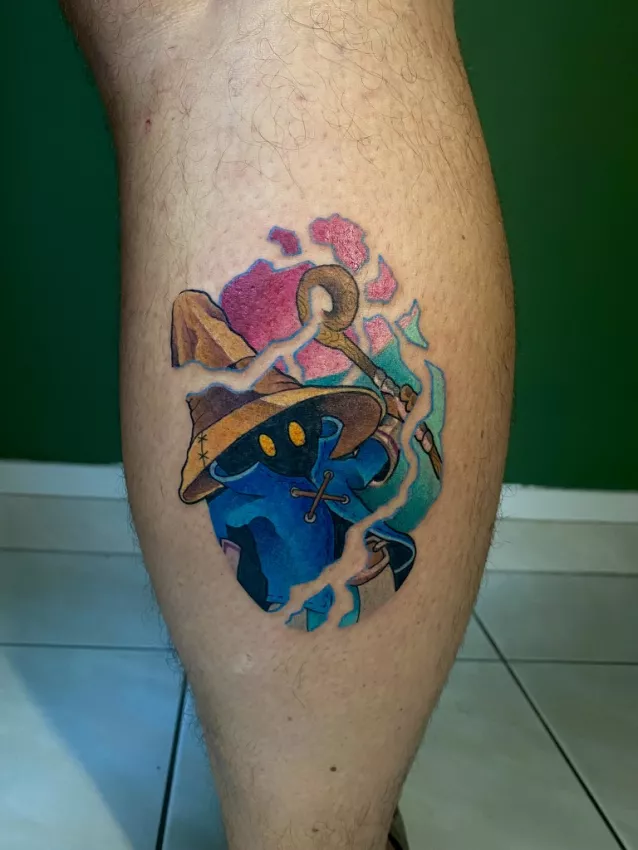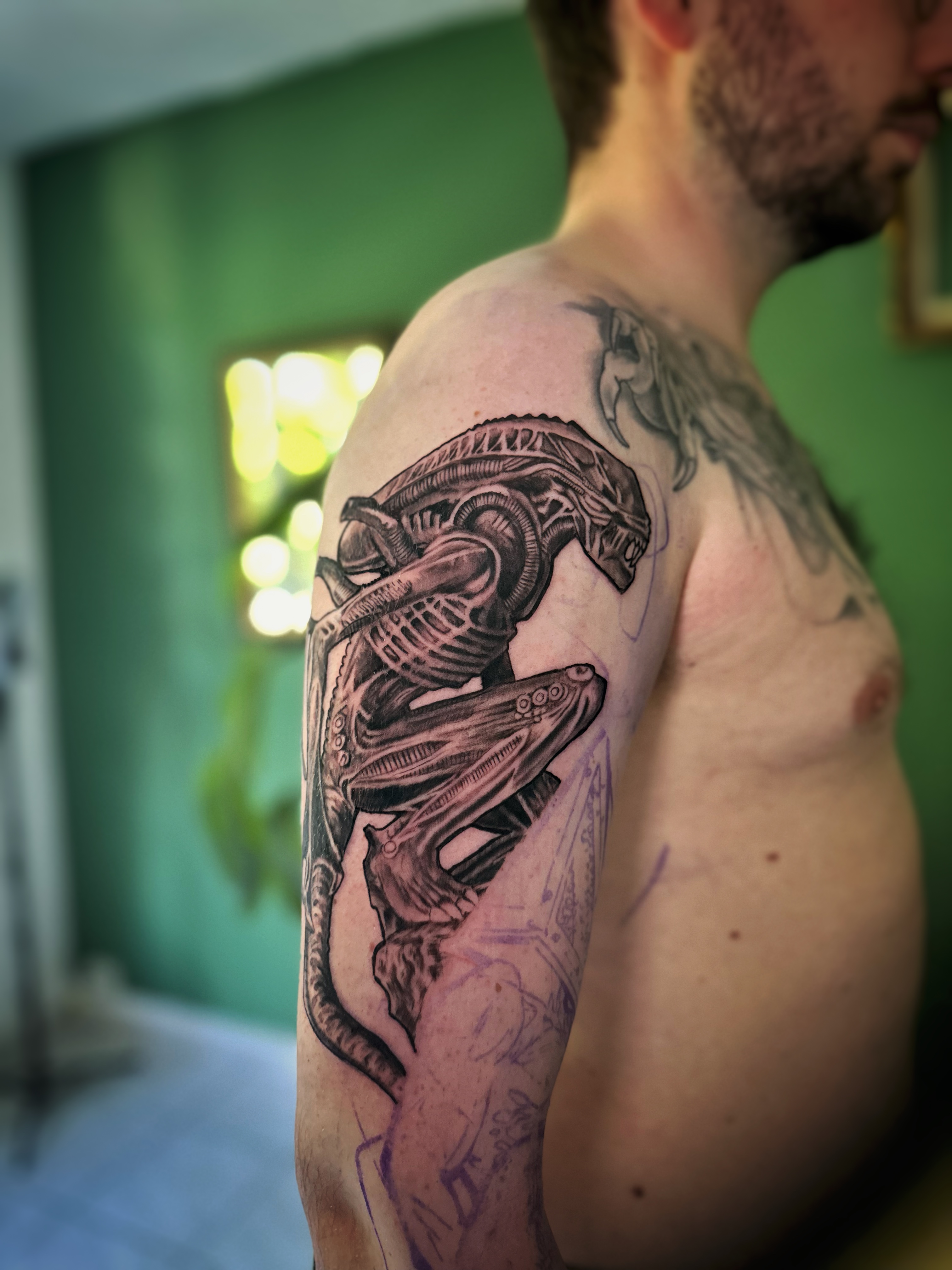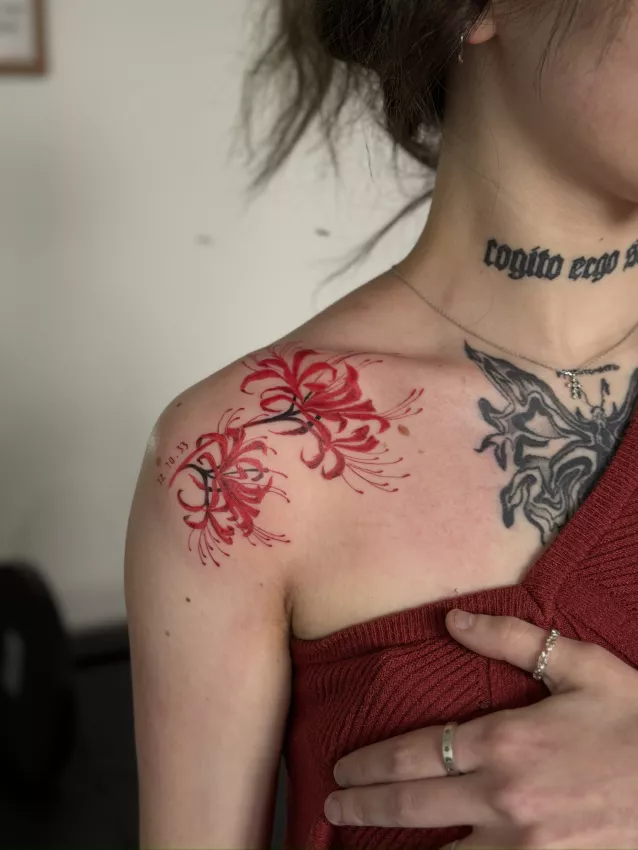
There are beautiful portfolios that make me want to run the other way.
Not because of the tattoos. The tattoos are gorgeous. Really. Almost too gorgeous, in that Instagram way that makes you believe everyone lives under perfect lighting with skin that never flushes.
But then you read how the person responds. Cold. Vague. Rushed. A little dismissive. Your excitement deflates like a poorly baked soufflé.
The portfolio counts. Obviously. But the feeling counts too. Because a tattoo isn't buying a poster. It's trusting someone with your skin for hours, with a result that stays.
Slight nuance.
The portfolio shows the result, not the experience
A portfolio tells you what the person can produce.
Style. Technique. Composition. Detail level. Universe. Consistency. That's essential. You should love what you see. Not vaguely. Really.
But the portfolio doesn't show everything.
It doesn't show how the person talks before the appointment. It doesn't show if they explain things well. It doesn't show if they listen. It doesn't show if they make you comfortable. It doesn't show if they take questions without sighing internally like an old radiator.
The portfolio is the storefront. The feeling is what happens when you walk through the door.
I wrote how to choose your tattoo artist precisely because so many people stop at the images too quickly. Images matter, but they don't sign the human contract on their own.
Trust helps you make better decisions
A good tattoo sometimes needs adjustments.
Size needs to change. Placement needs to shift. A detail needs to disappear. An idea needs simplifying. A reference needs redrawing.
If you don't trust the tattooer, every adaptation feels like a threat. You wonder if they're pushing you, if they're cutting corners, if they don't understand, if they're imposing their style.
When trust is there, you can hear the explanation.
"That detail will be too small." "On this area, it will distort." "I recommend going bigger." "I won't copy this image, but I can keep the intent." "This placement will age better."
These are important sentences. They can save a project.
I've already explained why a tattooer sometimes refuses a project. Refusal or adaptation isn't necessarily a wall. Sometimes it's a guardrail.
The feeling starts with the first messages
You sense a lot in a first exchange.
Is the reply clear? Are they asking the right questions? Are they taking your idea seriously? Are they explaining the process? Does the tone work for you?
I'm not saying a tattooer should write novels. We've also got needles to hold and coffees to forget somewhere. But a minimum of clarity changes everything.
If you get a dry, obscure answer, or you feel stupid for asking a normal question, that's a bad sign.
On the flip side, you can feel the frame is set. Not necessarily warm. Just clean.
"Here's what I need." "Here's what's possible." "Here's the approximate budget." "Here's how I work." "Here's why I'd adapt this idea."
It's reassuring.
To improve your first message, read how to communicate your tattoo project. Because a good feeling is built with clear info from both sides.
Trust doesn't mean accepting everything
Careful.
Trusting a tattooer doesn't mean turning off your brain and saying yes to everything.
You have the right to ask questions. You have the right to dislike a placement. You have the right to ask for an explanation. You have the right to say you're not sure. You have the right to leave if something feels really wrong.
Trust isn't obedience.
It's a space where both sides can speak honestly. The tattooer brings their experience. You bring your body, your desire, your feelings. Both count.
Good feeling allows you to say no without everything turning dramatic. You can adjust. You can discuss. You can decide together.
What I find dangerous is when someone stays out of awkwardness. When the person doesn't dare say the stencil doesn't work. When they accept a size too small because they're afraid to be a bother. When they sense discomfort but think "well, it's probably me."
No. Your skin deserves better than a decision made out of politeness.
The studio is part of the trust
The feeling doesn't come from the tattooer alone.
It also comes from the space. The atmosphere. The calm. The cleanliness. How you're welcomed. How the rules are explained. The time you're given.
At Studio Pixel, Grenoble, the idea is to keep it simple: private studio, prepared appointments, calm atmosphere, serious hygiene, direct exchanges. Nothing mystical. Just what it takes for the tattoo to go well.
A good studio doesn't make you feel like a number. It doesn't drown you in an absurd ceremony either. It lets you be there, understand, decide.
I talk about this in the real superpower of a tattoo studio, because at the end of the day, a strong studio isn't just a cool logo. It's a way of holding people and projects.
The right choice is often calm
When you choose a tattooer, ask yourself:
Do I like their work? Do I understand their approach? Can I talk to them? Do I feel respected? Are their recommendations clear? Do I feel the project will be better with them?
These aren't spectacular questions. But they prevent a lot of regrets.
Feeling isn't an exact science. Sometimes it's just an impression. An answer that reassures you. A sentence that shows the person understood. A cleanly set boundary. A well-explained refusal.
And sometimes it's the opposite. Everything looks great in photos, but your gut says no.
Listen to your gut a little. It talks nonsense sometimes, especially after tacos, but on trust matters it can be useful.
A tattoo is chosen with your eyes, yes.
But not only.